Liverpool, Slavery and Public Histories of Empire
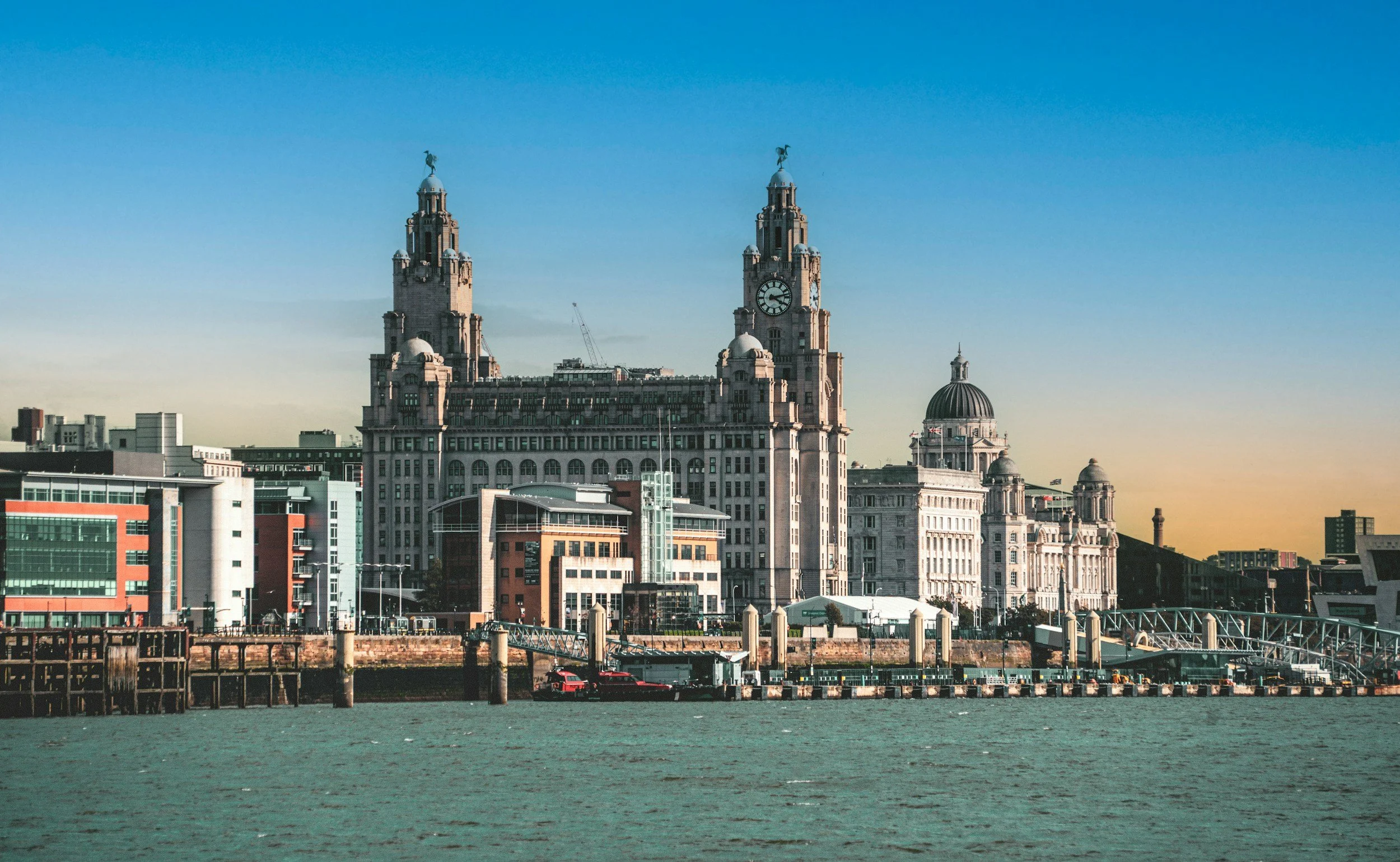
Liverpool, Slavery and Public Histories of Empire is a research-led module on the MA Modern and Public History at Liverpool John Moores University. Taking Liverpool as both a historical case study and a living landscape, the module explores the city’s central place within histories of transatlantic slavery, British imperial expansion and racial capitalism, alongside their continuing legacies.
Students examine how these histories can be traced through archives, museums, universities, historic sites and the built environment, while considering how difficult and contested pasts are remembered, interpreted and communicated in the present. Particular attention is given to institutional histories, public memory and heritage, and the ethical questions involved in researching and representing histories of slavery and empire.
Combining archival and digital research with site-based learning and public history approaches, the module culminates in an independent research project through which students develop and communicate original historical research.
Research-led teaching
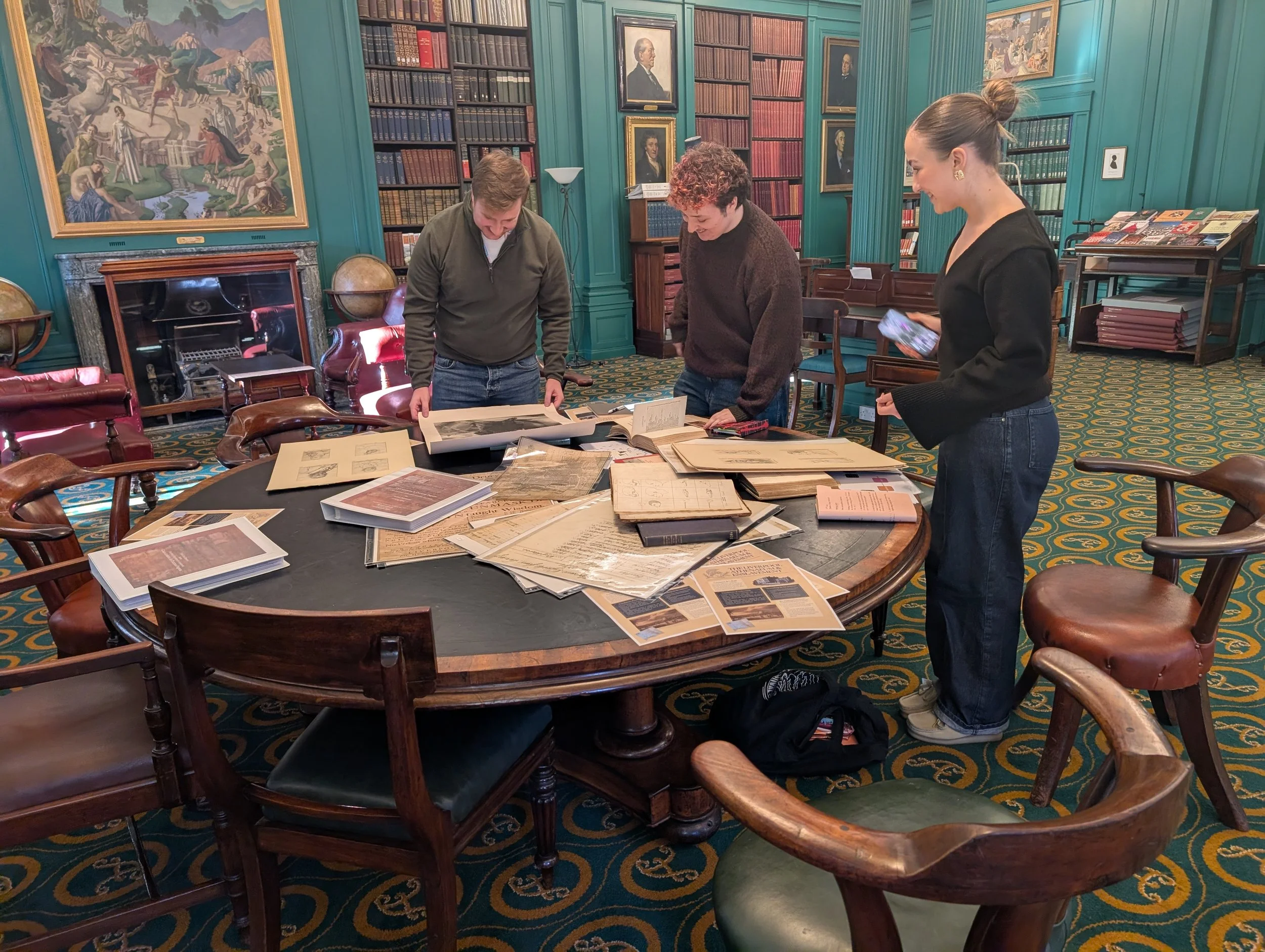
The module grows directly from research undertaken through the LJMU Enslavement and Empire Project, using Liverpool’s institutions, archives and historic environment as a starting point for student-led investigation. Rather than encountering this history only through established narratives, students work with primary sources, digital collections and historic sites to develop their own research questions and uncover new connections. Their independent projects form an important part of the module, bringing research and teaching together while exploring how histories of slavery and empire can be interpreted and communicated to wider audiences.
Explore selected examples of original student research produced through the module below.

Learn how Liverpool women supported the Confederacy through the 1864 Great Southern Bazaar, revealing women’s often-overlooked role in sustaining pro-slavery networks.

Examines how individuals and families connected to slavery and the slave economy helped fund and establish the Liverpool Mechanics Institute, LJMU’s earliest predecessor institution.

Explore the experiences of fugitive enslaved people in Liverpool through runaway advertisements, including the case of Lidiate, who spoke of escaping to Delamere Forest.

Explores Liverpool’s social and personal connections to the Confederacy during the American Civil War, showing how support for the South extended beyond economic interests into networks of friendship, religion and shared pro-slavery sympathies.