Institutional Research and decolonisation
This strand of my research examines how universities and other educational and cultural institutions have been shaped by histories of slavery, empire and racial inequality, and how these histories continue to influence institutional identities, practices and the production of knowledge.
Starting with my leadership of Liverpool, Enslavement and Empire Project, the work brings together archival research, public and digital history, teaching, and collaboration with institutional and community partners, and connects with wider international discussions about how universities and cultural organisations understand and respond to difficult histories.
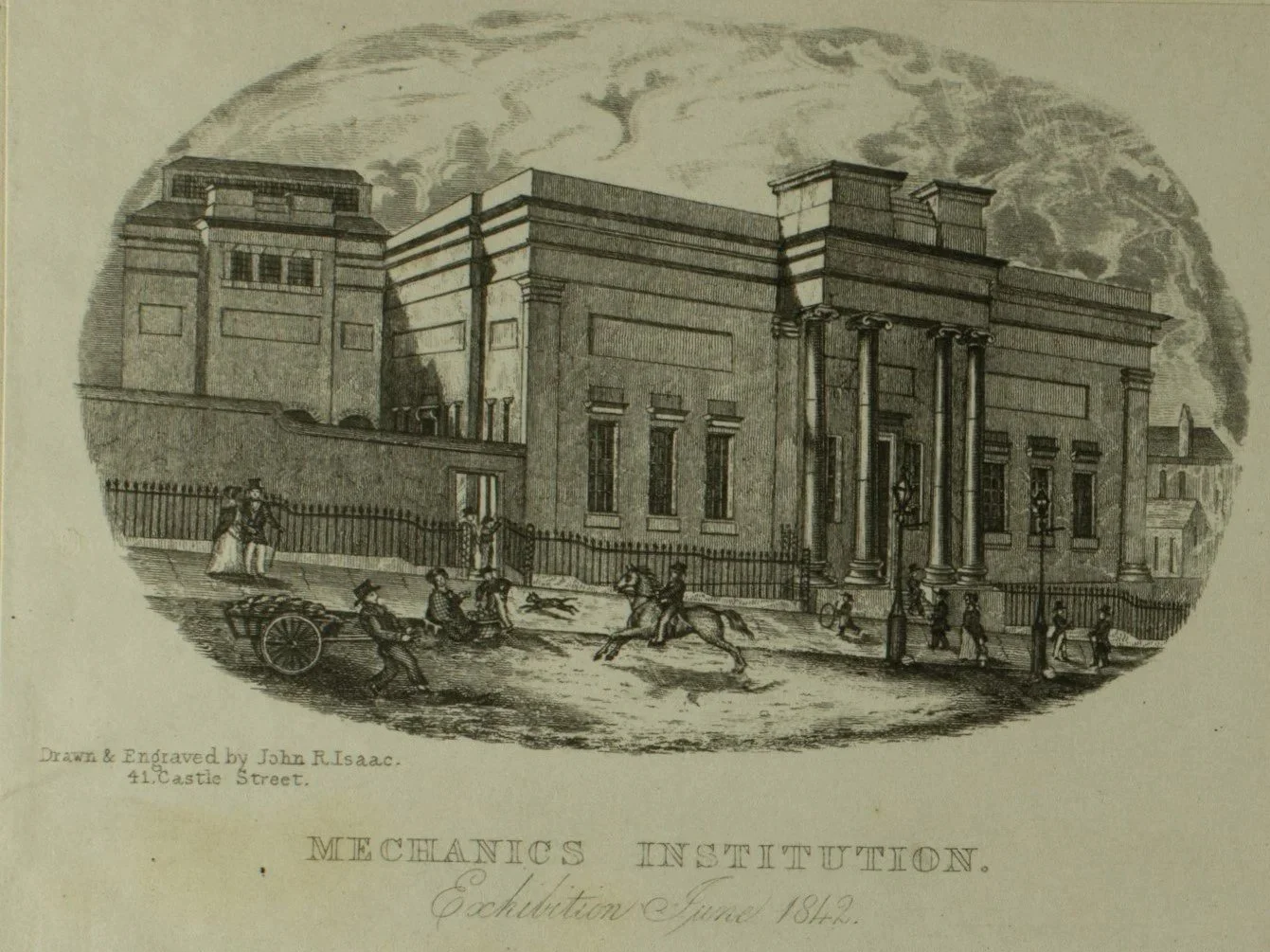
The LJMU Enslavement and Empire Project was established in 2018 to investigate the historical connections between Liverpool John Moores University, its predecessor institutions, and the wider histories of slavery and empire. Drawing on institutional archives, the project explores the people, networks and forms of wealth that shaped these institutions within Liverpool’s wider involvement in Atlantic slavery and colonialism.
The project also considers how institutions research, interpret and respond to difficult histories, bringing together archival research, teaching and public engagement.
A key digital output is Exhibiting Empire in Nineteenth Century Liverpool, developed by Dr Isabel Robinson during her time as Postdoctoral Researcher on the project.
This work forms part of a broader programme of research into slavery and institutions across the North West, including the forthcoming Liverpool University Press collection North West Institutions and Enslavement (A. Livesey, C. Gooptar & I. Robinson, eds).
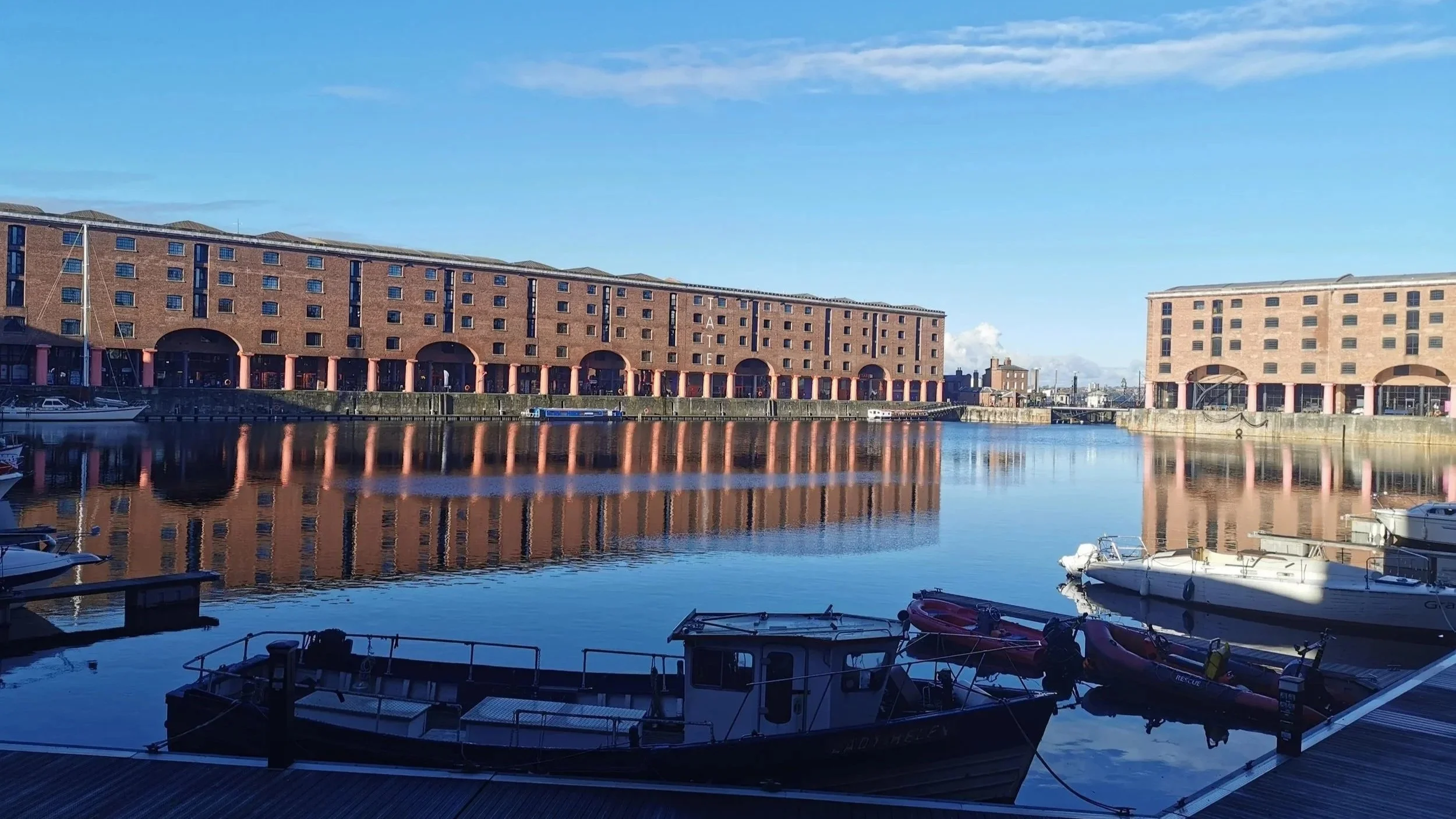
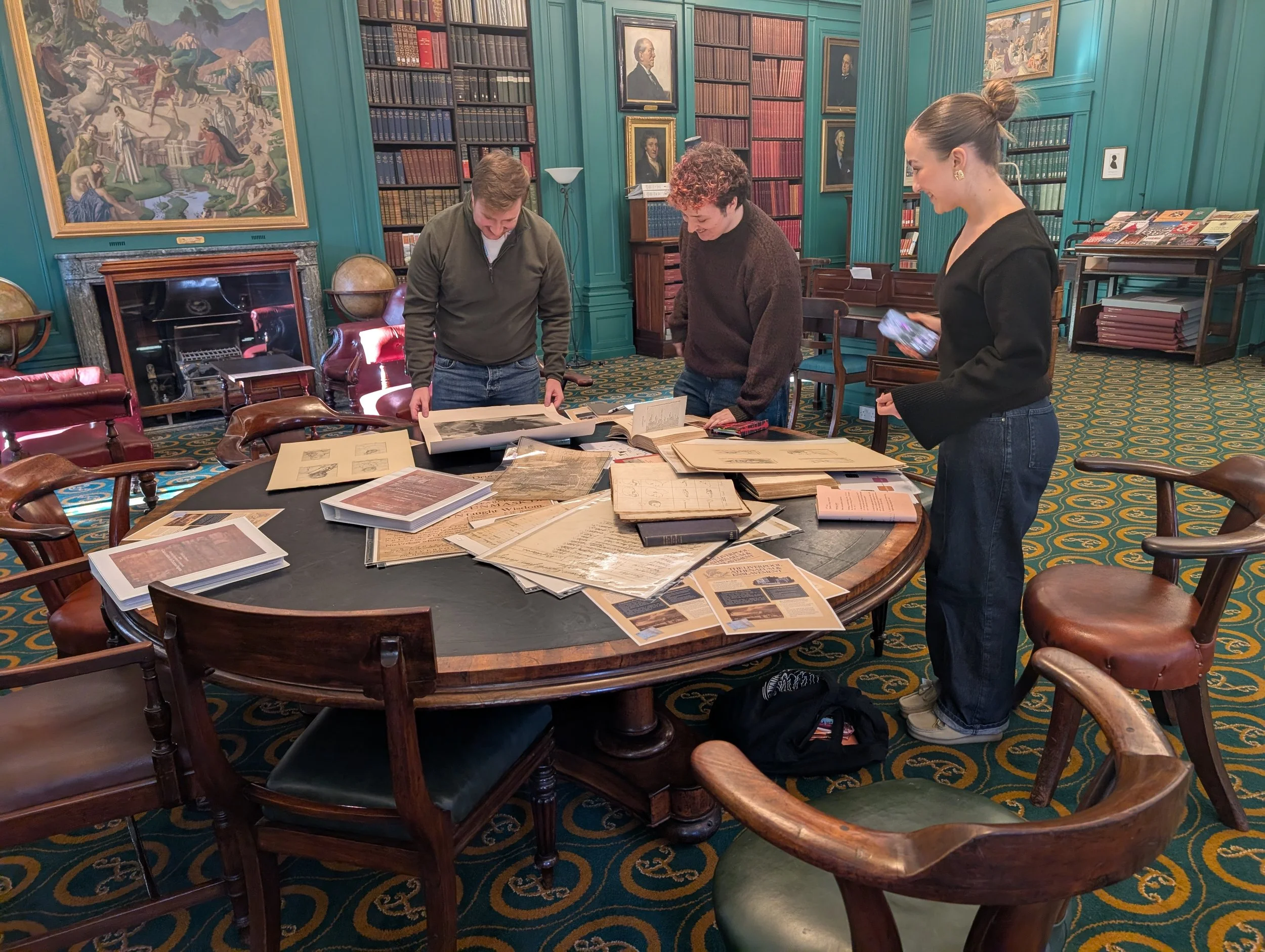
Student Researchers: Liverpool, Slavery and Public Histories of Empire
The MA module Liverpool, Slavery and Public Histories of Empire grows directly from research into Liverpool’s institutions and their relationships with slavery and empire. Students explore not only the city’s historical connections, but also how these histories are researched, represented and communicated in the present through archives, museums, heritage sites, institutional narratives and public commemoration.
The module combines archival, digital and site-based research with public history approaches, culminating in an independent research project.
I serve as International Representative on the USS Steering Committee, contributing to wider conversations around institutional research, acknowledgement, memorialisation, community engagement and reparative practice. I am also a Fellow at the University of Virginia, further connecting this work with international research and dialogue around universities, slavery and institutional histories.
The consortium provides an important space for sharing research, approaches and experiences across institutions working with difficult and contested histories.
Universities Studying Slavery is an international consortium of institutions examining their historical relationships with slavery and its legacies, and considering how universities can respond to these histories in the present.
Universities Studying Slavery Consortium

Decolonising knowledge and the curriculum
A related strand of my work considers how historical knowledge is produced and taught, and whose experiences are represented within university curricula. I am particularly interested in approaches to decolonisation that are grounded in research, collaboration and changes to practice rather than simply the addition of new content.
Through the Black Maternal Health Project, this has included collaborative work examining the representation of Black women within midwifery education and exploring how historical and contemporary experiences can inform more inclusive approaches to teaching. This work brings historians, educators, practitioners and community partners together to consider whose knowledge is valued and how curricula might be reshaped through co-production.